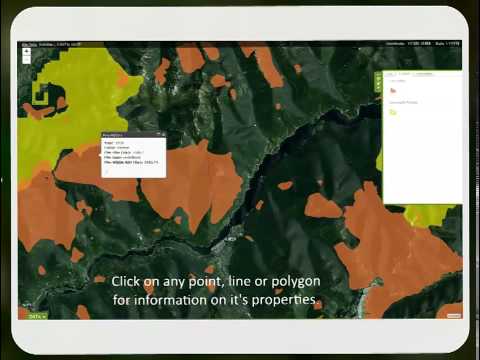
 Digital Basin Quick Start

In the Columbia Basin-Boundary region, earnings were generally lower than the Canadian average, but the earnings gap is bigger. The average male earns $50,208, while the average female earns $29,975 – an earnings gap of $20,233. There is a far higher proportion of females earning low incomes than males and there is a far higher proportion of males earning high incomes than … [More]
Youth Training, Retention & Engagement Explored
January 28, 2016
Youth are vital to the success of rural communities and regions, however rural youth can face a range of challenges. A recent RDI research project in partnership with the Lower Columbia Initiatives Corporation (LCIC) and Simon Fraser University (SFU) explored what action is needed to address youth training, engagement, and retention on a regional scale. This research … [More]
RDI Research Advances Regional Food Security Efforts
January 27, 2016
The Basin-Boundary region is host to a number of diverse community-based organizations working to support local agriculture and promote consumption of locally-produced food. The RDI’s Regional Food Systems project helps these organizations achieve their mandate by engaging in research designed to meet some of the region’s key agricultural information … [More]
2015 Trends Analysis: Wages
November 5, 2015
Wages are generally on the increase in Basin-Boundary development regions, through data show year-to-year variability. Wages in the goods-producing sector are consistently higher than those in the service sector. For our full discussion of trends and conditions related to wages, download the 2015 Wages Trends Analysis. … [More]
2015 Trends Analysis: Traffic
November 5, 2015
Overall traffic volumes at stations in our region remained relatively constant in 2014 as compared to 2013. However, some communities saw sizable increases while others saw sizable decreases. For our full discussion of trends and conditions related to traffic volumes, download the 2015 Traffic Trends Analysis. … [More]

 Basin-Boundary Agricultural Planning: The Regional Perspective